 VA Credentialed Provider

Root Canal Treatment
Implants in the mouth have been used effectively and acknowledged as a leading invention in contemporary cosmetic dentistry for more than 40 years. Root canal treatment Berkeley is the best course of action when maintaining your original tooth is feasible. With excellent durability rates, root canal treatment has been empirically shown to be a safe and efficient way to heal infected teeth, relieve pain, and keep your healthy smile.
What is Root Canal Treatment?
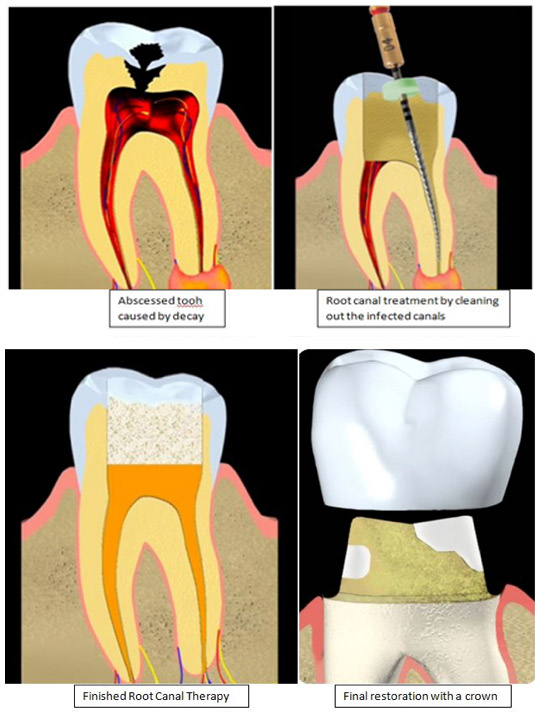
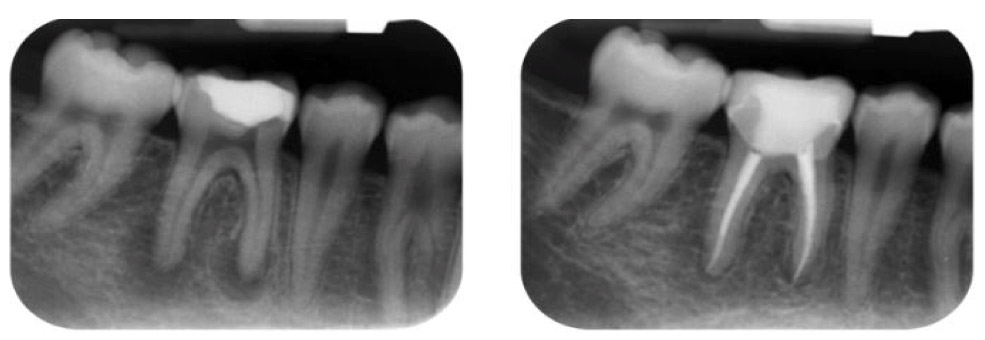
Root canal treatment is designed to eliminate bacteria from the infected root canal, prevent reinfection of the tooth and save the natural tooth. When one undergoes a root canal, the inflamed or infected pulp is removed and the inside of the tooth is carefully cleaned and disinfected, then filled and sealed.
Is Root Canal Treatment Painful, Safe, and Effective?
You should not be affected in case your dentist or endodontist recommends that you undergo root canal therapy to repair a sick or infected tooth. The procedure is pain-free and enhances oral health, which saves millions of teeth annually. Your tooth has a soft material known as pulp that is placed behind the white enamel and the hard tissue referred to as dentin. This tissue contains blood arteries, nerves, and the connective tissues that aid the development of teeth.
A tooth that has undergone its full maturity can live without the pulp because it still gets nutrition from the cells that grow around it. Today’s root canal treatment Berkeley approaches operate advanced technology and modern anesthesia to provide comfort and protection.
Contrary to old misconceptions, a contemporary root canal is nothing like that. It typically takes one or two sessions to complete and is quite comparable to a standard filling. A same-day root canal may be feasible in some circumstances, enabling patients to swiftly resume their regular activities. You will be able to bite, chew, and grin with ease after the reasonably painless and highly successful surgery.
Saving the natural tooth with root canal treatment has many advantages:
- Efficient chewing
- Normal biting force and sensation
- Natural appearance
- Protects other teeth from excessive wear or strain
Why do you need a crown after root canal treatment?
Following root canal therapy, the surface of the tooth is at a greater risk of infection and contamination. To avoid recontamination, also known as a failed root canal treatment, a dental crown will be placed over the tooth to seal it off from harmful leakage so you will not have to have your tooth extracted.
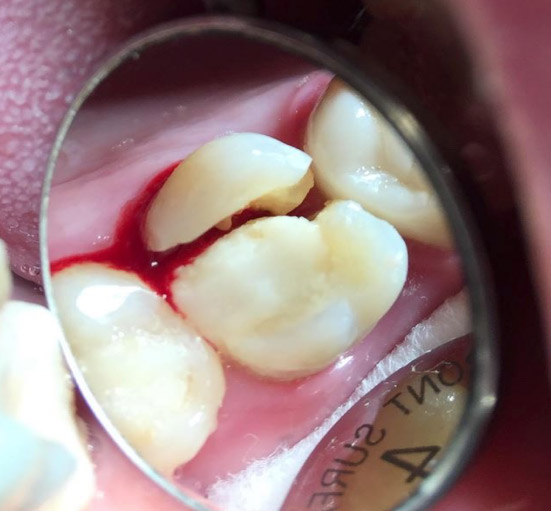
Another reason is that tooth after root canal treatment becomes more brittle. So, it is easy to get fractured upon chewing. Therefore, a crown is a must have to avoid any fracture. As a result, you will lose your tooth.
This fractured tooth resulted from not having a crown after root canal treatment:
Root Canal Treatment FAQs
After a root canal, will I suffer pain?
For a few days of treatment, minor pain or sharpness is common. This normally goes away fast and can be treated with over-the-counter painkillers.
After receiving a root canal, how long does a tooth last?
A tooth that has had a root canal can survive a lifetime if it is properly maintained, which includes maintaining good oral hygiene and getting a dental crown.
How much time does it take to obtain a root canal process?
The majority of root canal procedures may be finished in one or two appointments. Based on the severity of the illness and the state of the teeth, the surgery could sometimes be finished in a single visit.
Is a crown usually required following a root canal?
A crown is usually highly advised to prevent fractures and maintain long-term success, particularly for rear teeth.
Is a root canal preferable to having a tooth extracted?
Yes, it's typically advisable to preserve your native tooth. A root canal keeps neighboring teeth from moving while maintaining your natural bite, look, and chewing abilities.